A Complete Guide to Cleaning Terracotta Roof Tiles Safely
Terracotta roof tiles are renowned across the Sunshine Coast for their timeless aesthetic, durability, and natural thermal insulation. However, the region’s humid subtropical climate, coastal sea spray, and frequent rainfall create ideal breeding grounds for moss, lichen, algae, and fungal spores. Maintaining a terracotta roof requires a balanced approach: removing unsightly biological growth without compromising the fragile, porous nature of the clay tiles.
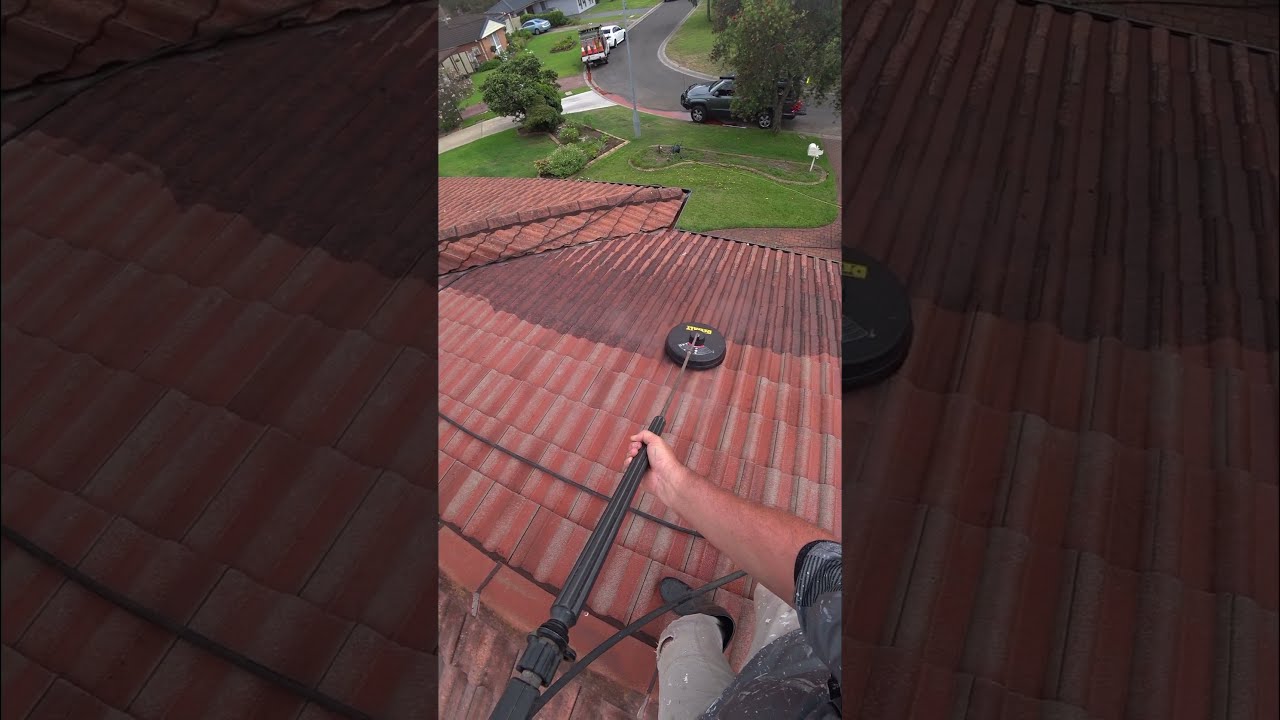
Why Terracotta Tiles Require Gentle Treatment
Unlike modern concrete tiles or metal sheeting, natural terracotta is a kiln-fired clay product. It is inherently porous and becomes brittle as it ages under the intense Queensland sun. Subjecting terracotta to aggressive, high-pressure washing can strip away protective glazes, etch the tile surfaces, loosen pointing mortar, and drive water deep into the roof cavity. Once the top surface is etched, microscopic pits form, allowing organic matter to embed even faster in subsequent seasons.

Essential Safety Protocols for Roof Work
Working on any roof involves significant risk, but terracotta presents unique hazards due to its slippery surface when wet and its tendency to crack under concentrated weight. Queensland workplace health and safety guidelines mandate rigorous fall protection standards when working at heights.

- Weight Distribution: Never step directly onto the centre of a terracotta tile or near the interlocking edges. Step exclusively on the lower third of tiles directly above the underlying battens, or use padded roof ladders and crawling boards to spread your body weight evenly.
- Fall Protection: Always deploy rated harness systems, anchored safely to certified roof points, particularly on steep-pitched Sunshine Coast homes.
- Footwear: Wear specialised, soft-rubber, non-marking footwear designed for high grip on inclined clay surfaces.
- Weather Awareness: Avoid undertaking roof work during high-wind conditions, intense midday heat, or immediately after rain when moss turns slick.
The Soft Washing Method: Step-by-Step
In 2026, professional standards heavily favour low-pressure chemical cleaning—commonly known as soft washing—over abrasive mechanical pressure. Soft washing relies on targeted, biodegradable cleaning agents to sterilise spores at the root level, allowing them to wash away without abrasive force.
- Disconnect Rainwater Systems: Sunshine Coast properties frequently utilise rainwater harvesting systems. Always isolate rainwater collection downpipes and divert initial run-off away from storage tanks and garden beds before introducing cleaning solutions.
- Dry Brush Loose Debris: Use a soft-bristled broom to gently sweep away surface leaf litter, loose dirt, and overhanging twigs. Avoid scraping aggressive lichen patches dry, as this can take the tile surface with it.
- Apply an Eco-Friendly Biocide: Apply a tailored antifungal and algaecide treatment using a dedicated low-pressure delivery applicator (under 100 PSI). The solution must saturate the lichen and fungal roots embedded in the tile pores.
- Allow Dwell Time: Let the treatment dwell according to product specifications—typically 15 to 30 minutes—allowing the active agents to break down organic bonds.
- Low-Pressure Rinse: Thoroughly rinse the surface using a high-volume, low-pressure garden hose or a specialised soft-wash rinse nozzle. For persistent black lichen, a second gentle application may be required rather than increasing pressure.
Managing Run-off and Environmental Considerations
The Sunshine Coast ecosystem is sensitive, with stormwater flowing directly into local canals, rivers, and marine reserves. When undertaking roof maintenance, ensure all wash-down water complies with local environmental regulations. Utilise neutralising agents if required, or vacuum capture systems at the gutter line to collect chemical residue. Reconnect rainwater tanks only after the roof has experienced at least two substantial rain events following the clean.
Long-Term Maintenance for 2027 and Beyond
Preventative care https://roofcleaningsunshinecoast.com.au/about/ reduces the frequency of comprehensive roof cleaning. Keep surrounding tree branches trimmed back at least two metres from the roofline to maximise sunlight exposure and reduce leaf accumulation. Property owners looking toward 2027 and future seasons should consider applying a breathable, penetrating terracotta sealer after a deep clean. Modern silane-siloxane impregnating sealers repel moisture while allowing the clay to breathe, preventing moisture entrapment and significantly delaying the return of organic growth.
Sunshine Coast Roof Cleaning Pros
Unit 2/47 Enterprise St, Kunda Park QLD 4556, Australia
(07) 4158 6008